
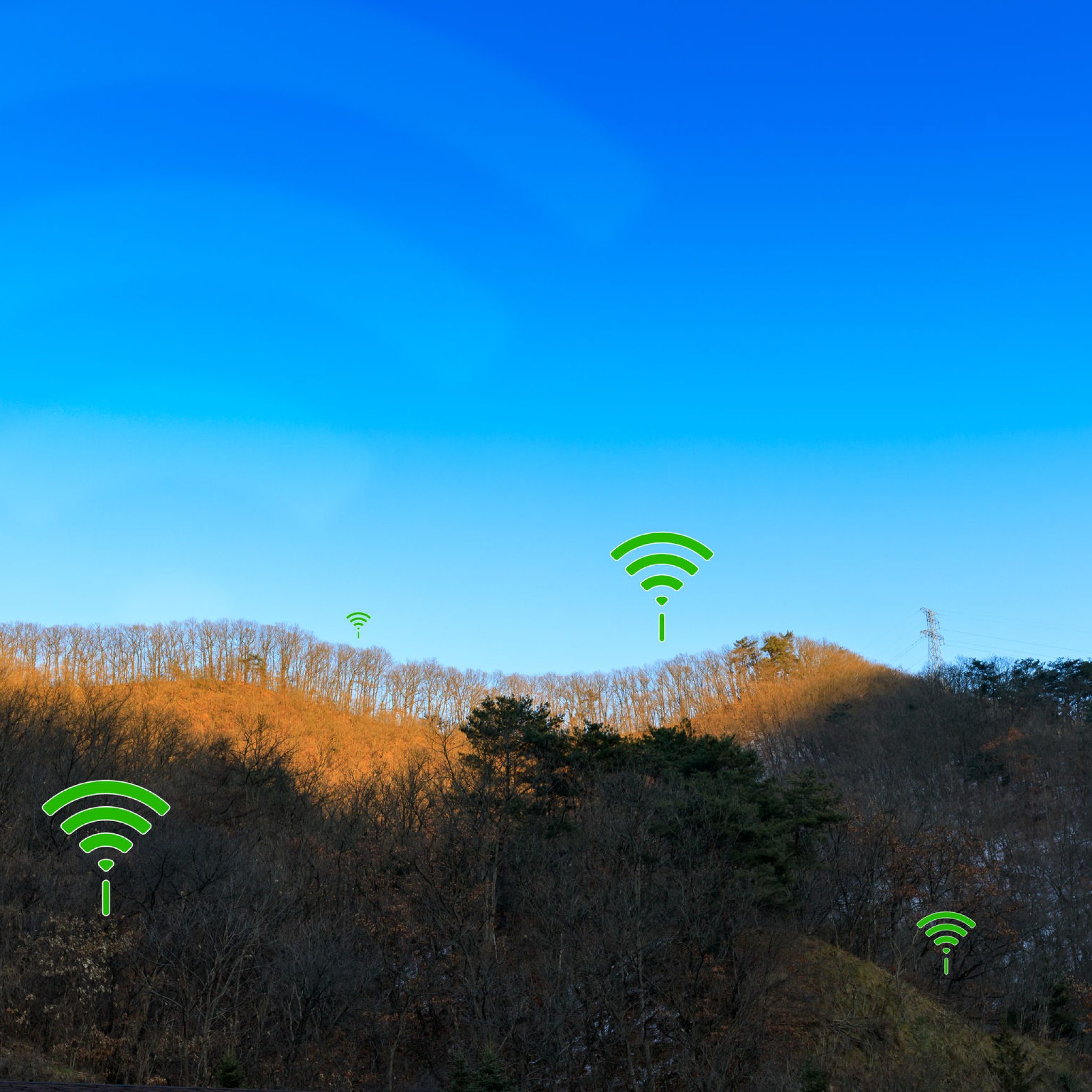
5G Revolutionizing Rural Connectivity
5G Revolutionizing Rural Connectivity
5G technology has emerged as a potential game-changer in rural connectivity, promising to bridge the digital divide between urban and rural areas. Its implementation in remote regions holds the potential to transform various sectors and significantly impact the lives of individuals in rural communities.
1. Bridging the Connectivity Gap
One of the most significant challenges in rural areas is the lack of high-speed internet access. 5G technology offers faster and more reliable connections compared to previous generations, significantly improving internet speeds and connectivity in remote regions. This advancement bridges the gap between urban and rural areas, empowering rural communities with better access to online resources, education, telemedicine, and economic opportunities.
2. Empowering Agriculture and Rural Industries
The integration of 5G in rural areas revolutionizes agricultural practices and rural industries. High-speed connectivity enables the implementation of precision agriculture, leveraging IoT sensors and real-time data analysis to optimize farming techniques. Additionally, it facilitates remote monitoring of equipment and enables efficient supply chain management, fostering growth and sustainability in rural economies.
3. Enhancing Healthcare Access
5G’s high-speed, low-latency connectivity has transformative implications for rural healthcare services. It enables telemedicine applications, allowing patients in remote areas to access healthcare professionals and specialists without the need for extensive travel. Real-time video consultations, remote diagnostics, and the transmission of medical data facilitate prompt and effective healthcare delivery, addressing the challenges of distance and accessibility in rural healthcare.
4. Driving Education and Skill Development
Improved connectivity through 5G opens doors for enhanced educational opportunities in rural areas. Students gain access to high-quality online educational resources, remote learning platforms, and virtual classrooms. This access not only supplements traditional education but also facilitates skill development and lifelong learning, empowering individuals in rural communities to acquire new skills relevant to the modern workforce.
5. Economic Growth and Innovation
5G infrastructure deployment in rural areas stimulates economic growth and innovation. Enhanced connectivity attracts businesses, encourages entrepreneurship, and fosters innovation hubs in rural regions. Access to high-speed internet enables small businesses and startups to compete on a global scale, driving economic diversity and sustainability in rural economies.
The implementation of 5G in rural connectivity represents a significant step toward closing the digital divide and fostering inclusive growth. As the technology continues to evolve, its integration in rural areas will pave the way for transformative changes, unlocking opportunities and enhancing the quality of life for individuals and communities in remote regions.
For a deeper insight into the impact of 5G in Rural Connectivity, visit 5G in Rural Connectivity to explore how this technology is reshaping rural landscapes and empowering communities with enhanced connectivity and opportunities.