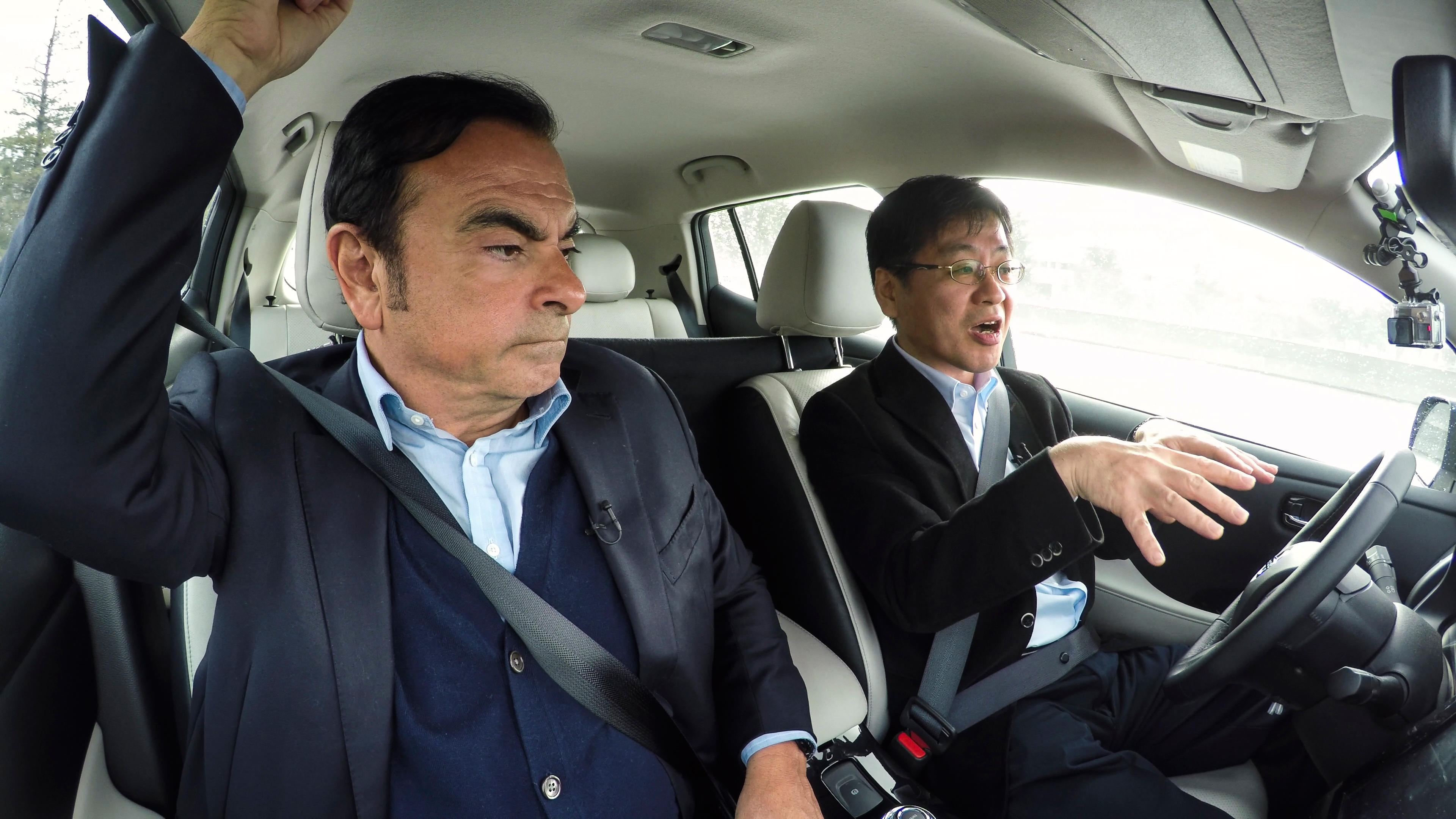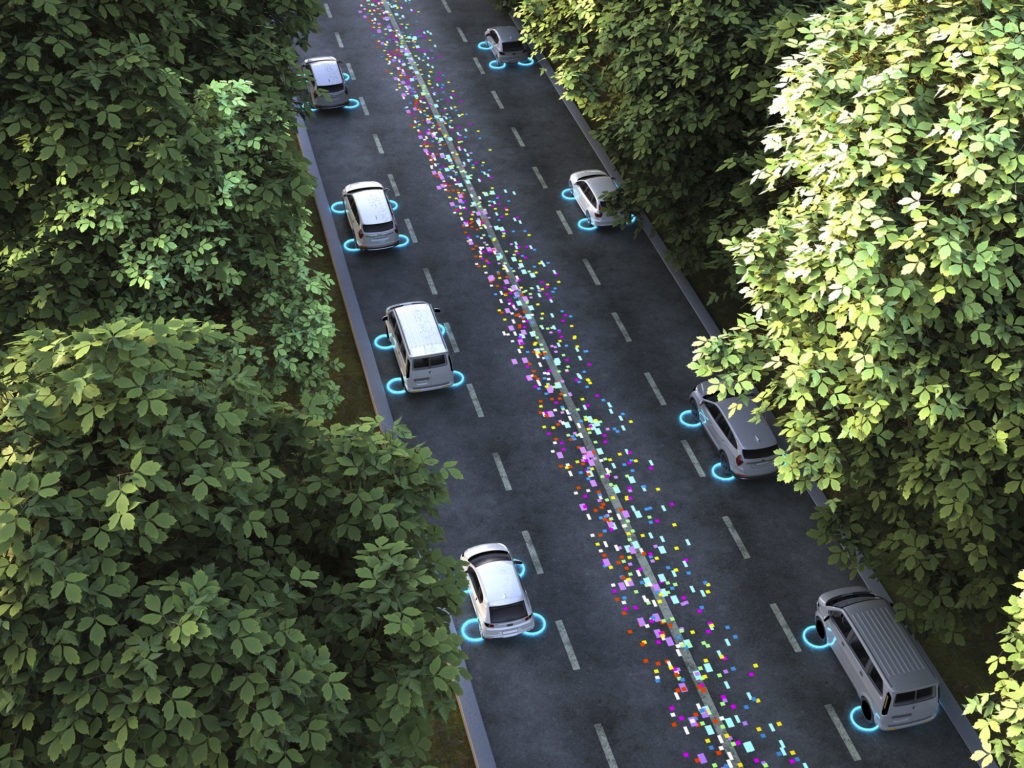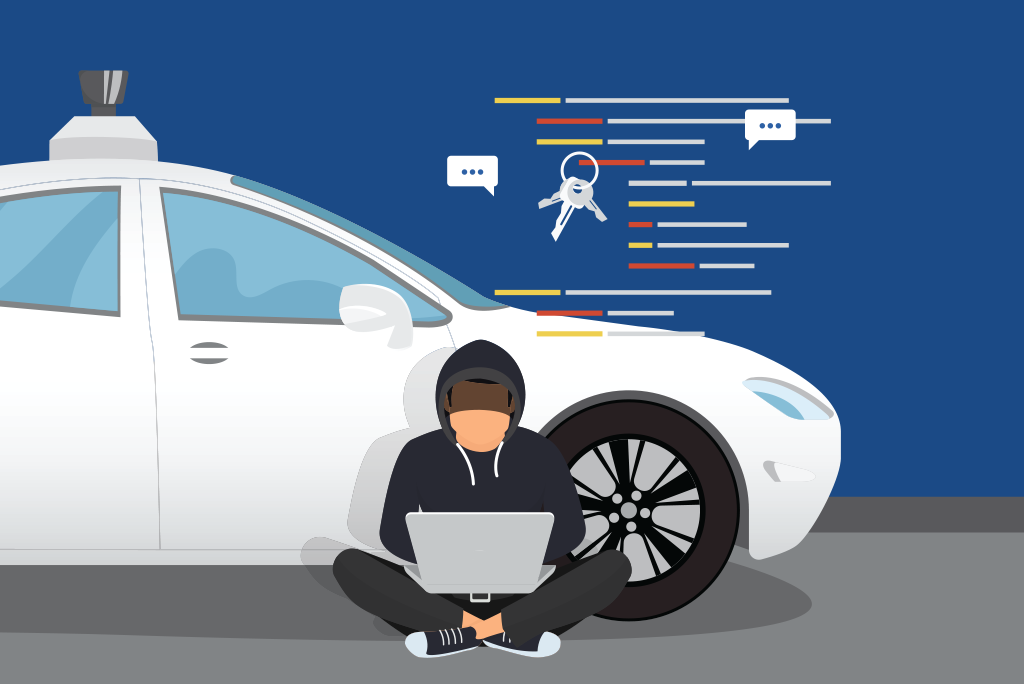
The automotive industry is undergoing a radical shift, largely fueled by the rapid advancements in Artificial Intelligence (AI) in Automotive. From self-driving cars to advanced driver-assistance systems (ADAS), AI is reshaping how vehicles are designed, manufactured, and operated. This article explores the multifaceted impact of AI on the automotive sector, addressing the key questions and needs of those eager to understand this technological revolution. The integration of AI promises increased safety, efficiency, and personalization, leading to a fundamentally different driving experience for us all.
Key Takeaways:
- Artificial Intelligence (AI) in Automotive is driving the development of autonomous vehicles and advanced driver-assistance systems (ADAS).
- AI is improving vehicle safety through features like automatic emergency braking and lane departure warning.
- Personalized driving experiences are being enabled through AI-powered infotainment systems and customized vehicle settings.
- The automotive industry is investing heavily in AI research and development, creating new opportunities and challenges.
Understanding the Role of Artificial Intelligence (AI) in Automotive
Artificial Intelligence (AI) in Automotive isn’t just about self-driving cars; it encompasses a wide range of applications designed to improve various aspects of the driving experience. AI algorithms are used to analyze vast amounts of data collected from sensors, cameras, and other sources, enabling vehicles to make intelligent decisions in real-time. This data processing is crucial for functionalities such as:
- Object Detection and Recognition: AI algorithms can identify and classify objects in the vehicle’s surroundings, including pedestrians, other vehicles, traffic signs, and road markings. This ability is fundamental for autonomous navigation and collision avoidance.
- Predictive Maintenance: By analyzing data from vehicle sensors, AI can predict potential maintenance issues before they occur, reducing downtime and repair costs.
- Driver Monitoring: AI-powered systems can monitor driver behavior, detecting signs of fatigue or distraction and providing alerts to prevent accidents.
Safety Advancements Through Artificial Intelligence (AI) in Automotive
One of the most significant benefits of Artificial Intelligence (AI) in Automotive is the potential to enhance safety on our roads. AI-powered safety systems can react much faster than human drivers in critical situations, reducing the risk of accidents. Some key safety applications of AI include:
- Automatic Emergency Braking (AEB): AEB systems use sensors and AI algorithms to detect imminent collisions and automatically apply the brakes to mitigate or avoid impact.
- Lane Departure Warning (LDW) and Lane Keeping Assist (LKA): These systems monitor the vehicle’s position within its lane and provide warnings or corrective steering if the vehicle starts to drift out of its lane.
- Adaptive Cruise Control (ACC): ACC uses radar and AI to maintain a safe following distance from the vehicle ahead, automatically adjusting speed to match traffic flow. This makes long drives more comfortable for us.
Personalized Driving Experiences with Artificial Intelligence (AI) in Automotive
Artificial Intelligence (AI) in Automotive is also enabling more personalized and enjoyable driving experiences. AI-powered infotainment systems can learn driver preferences and provide customized content and recommendations. Some examples of personalized features include:
- Voice Assistants: AI-powered voice assistants allow drivers to control various vehicle functions using natural language commands, such as adjusting the climate control, playing music, or making phone calls.
- Adaptive User Interfaces: AI can adapt the user interface of the infotainment system based on driver preferences and driving conditions, presenting relevant information at the right time.
- Personalized Recommendations: AI algorithms can analyze driver behavior and preferences to provide personalized recommendations for routes, music, and points of interest.
The Future of Artificial Intelligence (AI) in Automotive
The future of Artificial Intelligence (AI) in Automotive is bright, with ongoing research and development pushing the boundaries of what’s possible. We can expect to see even more sophisticated AI-powered features in future vehicles, including:
- Full Autonomy: The ultimate goal of AI in automotive is to achieve full autonomy, where vehicles can drive themselves without any human intervention. While full autonomy is still several years away, significant progress is being made in this area.
- Improved Sensor Technology: Advances in sensor technology, such as lidar and radar, are providing vehicles with a more detailed and accurate understanding of their surroundings, which is crucial for autonomous driving.
- Enhanced Connectivity: As vehicles become more connected, they will be able to share data with each other and with infrastructure, enabling more efficient and safer transportation systems for us.
The automotive industry is undergoing a revolution, and at the heart of it lies Camera-Based Vision Systems. These sophisticated systems are no longer just a futuristic concept; they are rapidly becoming integral to modern vehicles, driving advancements in safety, efficiency, and even the very nature of driving itself. From basic driver assistance features to fully autonomous vehicles, camera-based vision is the key to unlocking a new era of automotive capabilities.
Key Takeaways:
- Camera-Based Vision Systems are crucial for the growth of advanced driver-assistance systems (ADAS) and autonomous vehicles.
- The demand for enhanced safety features and improved driving experiences is fueling the expansion of this technology.
- Ongoing innovation in camera technology and AI is paving the way for even more sophisticated applications in the automotive sector.
- As regulations evolve and costs decrease, camera-based vision will become increasingly prevalent in vehicles of all types.
The Increasing Demand for Camera-Based Vision Systems
The growth of Camera-Based Vision Systems in the automotive sector isn’t just about technological advancement; it’s driven by a fundamental need for safer and more convenient driving experiences. Consumers are increasingly demanding vehicles equipped with features like lane departure warning, automatic emergency braking, and blind-spot detection – all of which rely heavily on camera-based vision. Automakers are responding to this demand by integrating these systems into more and more models, making them standard rather than optional features.
Furthermore, the push towards autonomous driving is accelerating the adoption of Camera-Based Vision Systems. Self-driving cars require a robust and reliable perception system to understand their surroundings, and cameras are a critical component of that system. These cameras, combined with advanced algorithms, allow vehicles to “see” the road, identify objects, and make informed decisions, simulating and even surpassing human driving capabilities. The improvements in processing power and AI are enabling far more sophisticated image analysis, leading to better object recognition, depth perception, and overall situational awareness. This enables us to develop safer and more efficient autonomous vehicles.
Advancements in Camera-Based Vision Systems Technology
The rapid growth in this field is a direct result of continuous innovation in both camera hardware and the software that interprets the visual data. Modern automotive cameras are significantly more advanced than their predecessors, boasting higher resolution, wider dynamic range, and improved low-light performance. These improvements allow them to capture clearer images and videos, even in challenging conditions like rain, fog, or nighttime driving.
The real magic, however, lies in the algorithms that process the camera data. Sophisticated computer vision techniques, powered by artificial intelligence (AI) and machine learning, enable these systems to identify and classify objects with remarkable accuracy. They can distinguish between pedestrians, cyclists, vehicles, traffic signs, and lane markings, and predict their movements to anticipate potential hazards. These advancements are not confined to high-end vehicles; the decreasing cost of these technologies is making them accessible to a wider range of vehicles. We see advancements that used to be exclusive to luxury brands now trickling down to more affordable models.
Applications of Camera-Based Vision Systems in Modern Vehicles
The applications of Camera-Based Vision Systems extend far beyond basic driver assistance features. While lane departure warning and automatic emergency braking are common examples, these systems are also used for:
- Adaptive Cruise Control: Maintaining a safe following distance from the vehicle ahead.
- Parking Assistance: Providing a visual aid and automated steering for easier parking.
- Traffic Sign Recognition: Identifying and displaying speed limits and other important traffic signs.
- Driver Monitoring: Detecting signs of driver fatigue or distraction.
- Surround View Monitoring: Providing a 360-degree view of the vehicle’s surroundings.
These applications are continuously evolving as technology progresses. For instance, camera-based vision is now being used for advanced features like automated lane changing and highway piloting, bringing us closer to fully autonomous driving. As Camera-Based Vision Systems become more sophisticated, they are playing an increasingly important role in improving road safety and reducing the burden on drivers.
The Future of Camera-Based Vision Systems in the Automotive Industry
The future of Camera-Based Vision Systems in the automotive industry is bright. As technology continues to evolve, we can expect to see even more sophisticated and capable systems that enhance safety, improve driving experiences, and pave the way for fully autonomous vehicles. One key area of development is sensor fusion, which involves combining data from multiple sensors, including cameras, radar, and lidar, to create a more complete and accurate picture of the vehicle’s surroundings.
Another trend is the increasing integration of AI and machine learning into camera-based vision systems. This will enable these systems to learn from experience and adapt to changing conditions, making them even more reliable and effective. For example, AI algorithms can be trained to recognize and respond to new types of hazards, or to personalize the driving experience based on individual driver preferences. As regulatory frameworks evolve and the costs
Navigating Autonomous Vehicles Policy: Regulations for the Future
Miracle January 26, 2024 Article
The Landscape of Autonomous Vehicles Policy
The advent of autonomous vehicles promises a revolution in transportation, but navigating the policy landscape surrounding their deployment is critical for a smooth transition. As governments grapple with regulatory frameworks, striking a balance between innovation and public safety becomes paramount.
Setting the Regulatory Framework
Establishing a comprehensive regulatory framework is a key pillar in shaping the future of autonomous vehicles. Governments worldwide are working on defining rules and standards to govern the testing, deployment, and operation of self-driving cars. This framework aims to ensure the safety of occupants, pedestrians, and other road users.
Safety Standards and Protocols
Ensuring the safety of autonomous vehicles is a top priority. Stringent safety standards and protocols are being developed to address various aspects, including vehicle design, software reliability, and emergency response mechanisms. These standards serve as a foundation for building public trust in the technology.
Testing and Deployment Protocols
The testing and deployment of autonomous vehicles require meticulous protocols to minimize risks during the transition phase. Governments are collaborating with industry stakeholders to create guidelines for testing procedures and the gradual introduction of autonomous vehicles into public spaces.
Public Awareness and Education
Public awareness and education play a crucial role in the acceptance of autonomous vehicles. Governments are initiating campaigns to inform the public about the benefits, risks, and safety measures associated with self-driving cars. Educating the public fosters a better understanding and acceptance of this transformative technology.
Ethical Considerations in Autonomous Driving
The rise of autonomous vehicles brings forth ethical considerations that policymakers must address. Decisions about how self-driving cars should prioritize different scenarios on the road, particularly in emergency situations, require careful ethical considerations. Policymakers are working to establish guidelines that align with societal values.
Data Privacy and Security Regulations
As autonomous vehicles heavily rely on data for navigation and decision-making, robust data privacy and security regulations are imperative. Governments are formulating policies to safeguard the privacy of individuals and ensure that the vast amounts of data generated by autonomous vehicles are protected from cyber threats.
International Collaboration for Standardization
The global nature of autonomous vehicle development necessitates international collaboration for standardization. Policymakers are engaging in collaborative efforts to harmonize regulations, standards, and testing procedures across borders. This collaboration aims to create a unified approach to autonomous vehicle policies.
Evolving Policies for Technological Advancements
The rapid evolution of autonomous vehicle technology requires policies that can adapt to ongoing advancements. Policymakers are adopting agile approaches, creating frameworks that can accommodate technological innovations while maintaining a strong focus on safety, security, and ethical considerations.
To explore a practical application of autonomous vehicles policy, consider Autonomous Vehicles Policy. This platform actively engages with evolving policies, ensuring that autonomous vehicles adhere to the highest standards of safety and compliance.
In Conclusion
The journey toward widespread adoption of autonomous vehicles is intertwined with the development of robust and adaptive policy frameworks. Governments globally are at the forefront, shaping regulations that balance innovation with safety, ethical considerations, and public acceptance. As we navigate the road ahead, the collaboration between policymakers, industry stakeholders, and the public is crucial for realizing the full potential of autonomous vehicles in a safe and regulated environment.
Revolutionizing Roads: Autonomous Vehicles Infrastructure
Miracle January 13, 2024 Article
Revolutionizing Roads: Autonomous Vehicles Infrastructure
Autonomous vehicles are no longer a futuristic concept but a reality shaping the future of transportation. As these vehicles become more commonplace, the infrastructure supporting them plays a pivotal role in ensuring a seamless and safe autonomous driving experience.
The Evolution of Autonomous Vehicles
The journey of autonomous vehicles from prototypes to a tangible part of our daily lives has been remarkable. Advancements in sensor technology, artificial intelligence, and connectivity have paved the way for vehicles capable of navigating without human intervention. Now, the focus shifts to building an infrastructure that complements and enhances the capabilities of these autonomous systems.
Smart Roads and Connectivity
Creating a supportive infrastructure for autonomous vehicles involves the development of smart roads and robust connectivity. Smart roads are embedded with sensors and communication technologies that enable real-time interaction with vehicles. This connectivity ensures that autonomous vehicles receive up-to-the-minute data about road conditions, traffic, and other relevant information, optimizing their decision-making processes.
5G Networks and Low Latency Communication
The implementation of 5G networks is a game-changer for autonomous vehicles. The low latency and high-speed communication offered by 5G enable instantaneous data transfer between vehicles and infrastructure. This is crucial for real-time updates and coordination, enhancing the overall safety and efficiency of autonomous driving.
Vehicle-to-Everything (V2X) Communication
V2X communication is a key component of autonomous vehicle infrastructure. It encompasses vehicle-to-vehicle (V2V), vehicle-to-infrastructure (V2I), and vehicle-to-pedestrian (V2P) communication. This interconnected network allows vehicles to share information with each other and with the surrounding infrastructure, creating a collaborative ecosystem for safer navigation.
Advanced Traffic Management Systems
Autonomous vehicles require sophisticated traffic management systems to ensure smooth traffic flow and prevent congestion. These systems leverage real-time data to optimize traffic signal timings, reroute vehicles based on current conditions, and dynamically adapt to changing situations. The result is a more efficient and responsive transportation network.
Charging Infrastructure for Electric Autonomous Vehicles
The rise of electric autonomous vehicles necessitates a robust charging infrastructure. As the automotive industry shifts towards sustainability, the development of charging stations that cater specifically to autonomous electric vehicles becomes crucial. This infrastructure supports the extended operational hours of autonomous fleets, promoting a greener and more sustainable transportation ecosystem.
NeverEmpty: Transformative Solutions for Autonomous Vehicles Infrastructure
In the realm of autonomous vehicles infrastructure, NeverEmpty stands out as a transformative solution provider. NeverEmpty’s innovative technologies and platforms address the complexities of autonomous vehicle integration into existing infrastructure. From connectivity solutions to advanced traffic management, NeverEmpty is at the forefront of shaping the future of autonomous transportation.
Explore NeverEmpty’s Autonomous Vehicles Infrastructure solutions here.
Safety Measures and Regulations
Ensuring the safety of autonomous vehicles requires stringent measures and regulatory frameworks. From defining safety standards to establishing guidelines for autonomous vehicle testing, governments and regulatory bodies play a crucial role in shaping the rules that govern this evolving technology.
Public Awareness and Acceptance
The successful integration of autonomous vehicles into society depends on public awareness and acceptance. Educating the public about the benefits, safety features, and potential impact on transportation patterns fosters a positive attitude towards this transformative technology. Community engagement and transparency contribute to building trust in the capabilities of autonomous vehicles and their supporting infrastructure.
Scalability and Future-Proofing
As autonomous vehicle technology continues to evolve, infrastructure planning must consider scalability and future-proofing. The infrastructure should adapt to accommodate an increasing number of autonomous vehicles on the road and seamlessly integrate with future technological advancements. Flexibility and foresight in design are key factors in building a sustainable autonomous transportation ecosystem.
In Conclusion
The revolution of autonomous vehicles is intricately tied to the development of a robust and intelligent infrastructure. From smart roads to advanced communication networks, the infrastructure supporting autonomous vehicles is a complex yet essential component of the transportation landscape. With pioneering solutions like NeverEmpty paving the way, we are on the cusp of a new era where autonomous vehicles redefine the way we move, making our roads safer, more efficient, and environmentally friendly.

Ensuring Autonomous Vehicle Safety
Autonomous vehicles represent a technological marvel, promising a future of efficient transportation. However, ensuring their safety remains a critical challenge that demands innovative solutions and comprehensive strategies.
1. Technological Innovations for Safety
Cutting-edge technologies play a pivotal role in enhancing autonomous vehicle safety. Sensors, LiDAR, cameras, and radar systems equipped in these vehicles enable real-time data collection, ensuring constant awareness of surroundings and potential hazards.
2. Artificial Intelligence in Safety Protocols
Artificial intelligence serves as the backbone of safety protocols in autonomous vehicles. Machine learning algorithms process vast amounts of data to make split-second decisions, identifying obstacles, pedestrians, and other vehicles to navigate safely.
3. Regulatory Frameworks and Standards
Establishing comprehensive regulatory frameworks and safety standards is crucial. Governments and regulatory bodies must develop protocols that address safety, cybersecurity, data privacy, and liability concerns associated with autonomous vehicles.
4. Testing and Validation Procedures
Rigorous testing and validation procedures are imperative to guarantee safety. Autonomous vehicles undergo extensive simulations, controlled environments, and real-world testing to assess performance and identify potential safety issues.
5. Collaboration and Industry Partnerships
Collaboration among stakeholders is essential for ensuring autonomous vehicle safety. Manufacturers, tech companies, regulators, and researchers must collaborate to share data, best practices, and advancements, collectively enhancing safety measures.
The road to autonomous vehicle safety involves a multifaceted approach, encompassing technological advancements, regulatory frameworks, rigorous testing, and collaborative efforts. As the technology continues to evolve, so must the strategies for ensuring the safety of autonomous vehicles.
For an in-depth understanding of Autonomous Vehicles Safety and its evolution, visit Autonomous Vehicles Safety to explore how safety measures are evolving alongside the advancement of autonomous vehicle technology, ensuring safer transportation in the future.
Categories
Recent Posts
- Secure Zahlungsanbieter Schnittstellen for Payments
- Expert Eventmanagement Firmenfeier Planning
- Practical guide to Supply Chain Management Tools
- Is a Virtual Jewellery Consultation Right for You?
- Expert Modellbau Einsteiger Tipps for new builders
- How to Transfer Money From Dubai Abroad
- Expert Bitcoin Halving Auswirkungen analysis
- Premium Catering für Business Events Expertise
- My Guide to Experiencing Vienna Coffee House Culture
- Master your Modefotografie Tipps with experts
powerboss.pt
afnagro.pt
camilasilva.pt
anapaixao.pt
protechloja.pt
medicalweb.pt
lagodiscount.pt
lacoscomamor.pt
eurekaconcurso.pt
bown.pt
diretodafabrica.pt
tinyhousesfactory.pt
tapa-isola.pt
calhameiro.pt
casaevida.pt
cwdetailing.pt
obralegre.pt
valentiqueconstrucoes.pt
texcoimbra.pt
tilbudkatalog.dk
womanish.dk
essentielt.dk
shoestore.dk
sociable.dk
skalleweb.dk
ditsmartehjem.dk
picky.dk
funkopop.dk
massageme.dk
decowall.dk
tiraolhos.pt
steellounge.de
worttraume.de
notizenstimme.de
spurkompass.de
logiknetz.de
unaty.de
rp-keil.de
reservisten-unterfranken.de
hilatec.de
nbcoding.de
wirsindwunder.de
magnetdfeld-shop.de
art-fox.de
maila-push.de
kadlecshop.de
canvision.de
ms-lamara.de
greeny24.de
blog-nestoria.de
edition-curt-visel.de
smanyuk.de
sotdb.de
frohn-aktiv.de
wintec-autoglas-lang.de
hardsoft-segeln.de
sicherheitsschutzzaun.de
mass-germany.de
my-magix.de
productionpark.de
fieroch.de
radio-scheu.de
bkvimvergleich.de
hanse-debitoren.de
horst-grimm.de
hg-mediadesign.de
bakert.de
rehm-werbetechnik.de
creativenetworkconsulting.de
gs-buerodienstleisterservice.de
wohnpark-xanten.de
gewaechshaeuser1.de
kdmedienpark.de
quilt-insel.de
why-design.de
outdoorshop-bw.de
putting-queens.de
cs-personaldienst.de
hemelapotheek.de
birgithoernchen.de
heikohoppen.de
kingback.de
leon-schlechtriem.de
infostation-berlin.de
komminnovision.de
mchlksr.de
unikom-kunstzentrum.de
sparenborg-nolte.de
initiativgruppe-sv.de
tier-bewegung.de
artvanrheyn.de
premium-images.de
bilanzierungs-infos.de
bucksstore.de
steinhof-maurice.de
ots-team.de
jax2003.de
projektentwicklung-stecklenberg.de
modularcommunications.de
ordnungsgemaesse-geschaeftsorganisation.de
outdoorshop-bw.de
fischerleben-sh.de
kuenstlernetzwerk-sw.de
ghp-bamberg.de
damarisliest-mini.de
konrad-mayerbuch.de
schluesseldienst-bochum-nrw.de
pbs4all.de
minipipes.de
dominik-langenegger.de
dlv-online.de
marino24.de
gasthaus-valentins.de
streng-christ.de
mic-hersbruck.de
miamiheatstore.de
naturpfad-darmstadt.de
smartlockdeutschland.de
ferngesteuerte-autos-test.de
dgdc-tagung.de
neolog-consulting.de
tabletop-gorilla.de
anamcara-coaching.de
andys-elektronikkiste.de
mamamachtsachen.de
ruecker-itk.de
twilight-szene.de
billigrolexuhren.de
my-starmedia.de
juz-puchheim.de
exv2.de
elogistics-journal.de
netzwerk-nahtoderfahrung.de
schluesseldienst-oberhausen-nrw.de
flvw-kreis10-detmold.de
riemeisterfenn.de
das-leid-der-vermehrerhunde.de
kunstverein-bruecke92.de
pico-system.de
yvesbecker.de
ticket-kirche-bremen.de
glanzportrait.de
typesprint.de
b-ze.de
astronomie-luebeck.de
graf-ac.de
voivio.de
rollbrettfreun.de
kein-kohlekraftwerk-lubmin.de
kein-weiteres-dorf.de
ptown67.de
maxsyncron.de
deutschnetnuke.de
tierbedarf-aus-peine.de
jute-aachen.de
naturheilzentrum-niederwuerzbach.de
guido-reusch.de
calvinhollywood-lp.de
andys-elektronikkiste.de
kontaktlinsen-sparen.de
die-weserhuette.de
kofferpoint.de
stels-ol.de
brendan-keeley.de
hohenloher-kunstverein.de
bf-readerschoice.de
foren-kostenlos.de
krebs-na-und.de
df-vfx.de
terra-norddeutschland.de
genealogie-schimmelpfennig.de
schuemann-struck.de
internet4ever.de
eeb-bamberg.de
lefo-formenbau.de
naturpfad-darmstadt.de
stpup.de
webservice-raidt.de
ziqqurrat.de
telespiel-late-night.de
myeurosun.de
bossdienstleistunggmbh.de
mfc-ostrachtal.de
nguyensminiaturen.de
sabine-kunze.de
msg-oldenburg.de
billigrolexuhren.de
eul-shop.de
kreativquartier-lohberg.de
pfirsichmelba.de
manhattan-design.de
dasgrippemaerchen.de
elektro-neuguth.de
wmvgmbh.de
concom1.de
shop-dolcana.de
paul-gerhardt-lg.de
thsogn.de
smartlockdeutschland.de
itouchservice.de
exv2.de
business-bilder-stuttgart.de
xblues.de
my-starmedia.de
neolog-consulting.de
pbs4all.de
gotha-info.de
gasthaus-valentins.de
miamiheatstore.de
c-u-f.de
media-concierge.de
tonkuenstlerverband-bremen.de
herbst-sturm.de
project-life-stiftung.de
inspicon.de
holzmann-immo.de